Last week we walked through five towns west of Denver worth knowing if you're relocating to Colorado. Littleton came out near the top of that list — deep inventory, easy commute, a real downtown. But "Littleton" isn't one neighborhood. It's closer to fifteen, and they don't have much in common with each other beyond the zip code.
We've sold real estate in this corridor since 2011, so we've walked buyers through this exact confusion more times than we can count. Someone says they want to live in Littleton, and what they actually mean is they want walkability, or a lake view, or a big tree-lined lot — three completely different neighborhoods that all happen to share a mailing address. Here's an honest breakdown of Littleton's neighborhoods, organized by what actually matters when you're choosing one: lifestyle, not just price.

Walkable and Historic
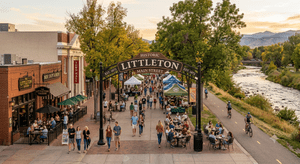
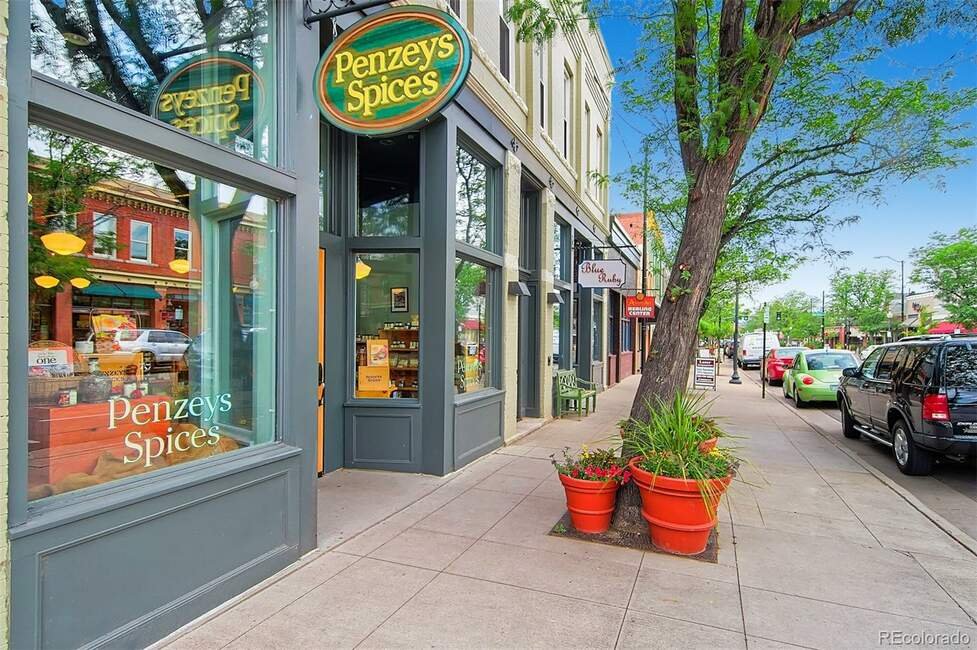
Historic Downtown Littleton is the heart of the city — a genuine Main Street with boutiques, restaurants, and a light rail stop that gets you into Denver without driving. Homes here mix historic character with newer townhomes and lofts. If you want to walk to dinner and still feel like you're in a real town instead of a subdivision, this is it.
Foothills and Outdoor Access
Ken Caryl sits on Littleton's western edge, right up against the foothills. It's a master-planned community with trails and open space, and it's the closest you'll get to mountain views while still technically being in Littleton. Quick access to C-470 makes the commute easier than the location might suggest.
Chatfield Farms, near Roxborough, offers newer construction — mostly 2000s-era homes with open floor plans and vaulted ceilings — plus quick access to Chatfield Reservoir and Waterton Canyon. Roxborough Park takes the outdoor-access angle even further: a gated community surrounded by red rock formations and bordering Roxborough State Park itself. If hiking and wildlife matter more to you than a short commute, this is the neighborhood to look at first.
Lakeside Living
Bow Mar sits on Bowles Reservoir and has a genuine club-town feel — private beach access, boating, paddleboarding. It's a smaller, tight-knit community built mostly between 1950 and 2009, and it draws people who want water access without leaving the metro area.
Grant Ranch offers a similar lakeside pull on Marston Lake, but with a more family-focused layout — trails, parks, and a lake that functions as the neighborhood's gathering point rather than a private amenity.
Established and Tree-Lined
Columbine Knolls is one of Littleton's most established neighborhoods, built mostly in the 1960s through 80s. Mature trees, larger lots — often a quarter acre or more — and a classic suburban feel that newer developments can't replicate. It's zoned for Columbine High School, and homes here tend to sell quickly when they hit the market. Columbine Hills sits nearby with a similar character at a more accessible price point, close to Chatfield Reservoir. Meadowbrook Heights rounds this group out with larger lots and a mix of ranch and contemporary homes near Chatfield.
These three neighborhoods are a good fit if you've looked at newer construction and found it feels a little thin — thinner walls, smaller lots, less privacy from your neighbors. Older doesn't mean worse here. It usually means more space between houses and trees that have had forty years to grow in.
Newer and Modern
Sterling Ranch is Littleton's newest community, with development starting around 2018. Smart-home features, sustainability-focused planning, and modern layouts with higher ceilings — this is the neighborhood for buyers who want new construction without leaving Littleton for a builder-only development further out.
A Quick Note on "Living in Littleton"
One thing that trips people up: plenty of homes with a Littleton mailing address aren't actually inside Littleton's city limits. They're in unincorporated Jefferson or Arapahoe County, using Littleton as the postal designation. It doesn't change the lifestyle much, but it can matter for property tax rates, city services, and which local elections you get to vote in. If that distinction matters to you, it's worth asking about before you fall in love with a specific street.
A Few Questions We Hear Often
Is Littleton actually a city, or is it part of Denver? Littleton is its own incorporated city, separate from Denver, with its own city government and services. It's part of the greater Denver metro area, but it's not a Denver neighborhood — it has its own identity, downtown, and city limits.
Which Littleton neighborhood has the best schools? Most of Littleton is served by Littleton Public Schools, consistently one of the stronger districts in the metro area, though a few pockets near Ken Caryl and Roxborough fall under Jefferson County Schools instead. Ratings vary by specific address more than by neighborhood name, so we'd rather pull the actual school assignment for a property you're considering than speak in generalities.
Is Littleton walkable? Downtown Littleton, yes — genuinely walkable with restaurants, shops, and light rail access. Most of the rest of Littleton is standard suburban layout, built around cars rather than sidewalks, similar to most of the Denver metro.
So Which Littleton Neighborhood Fits You?
If you want walkability, Downtown. If you want mountain proximity, Ken Caryl or Roxborough Park. If water access matters, Bow Mar or Grant Ranch. If you want an established neighborhood with real trees and real history, Columbine Knolls. If you want new construction without leaving Littleton, Sterling Ranch.
None of these are wrong answers — they just fit different people. We can walk you through current inventory and pricing in any of these neighborhoods, and tell you honestly which ones are worth touring based on what you're actually looking for.
Let's Talk
Tim & Sandy Jones — Jones Team Colorado | eXp Realty
Email: Tim@JonesTeamColorado.com
Phone/Text: (720) 314-8462
Schedule a call: https://calendly.com/tim-jonesteam/15min
See current Littleton listings: jonesteamcolorado.com/communities/littleton-real-estate